
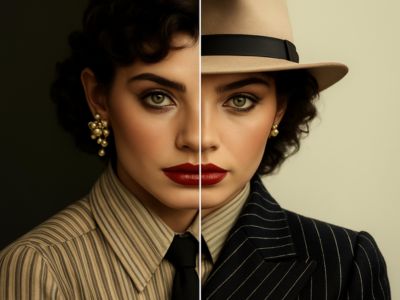
Unisex fashion is characterized by minimalist design and geometric cuts. During this era, political unrest redefined gender roles. The designer Rudi Gernreich flourished and was dubbed the “inventor of unisex fashion.” His designs blurred the boundaries between genders. One of his most famous creations was the Monokini—a one-piece, thigh-baring swimsuit intended to be worn by men or women who shaved all their body and head hair.
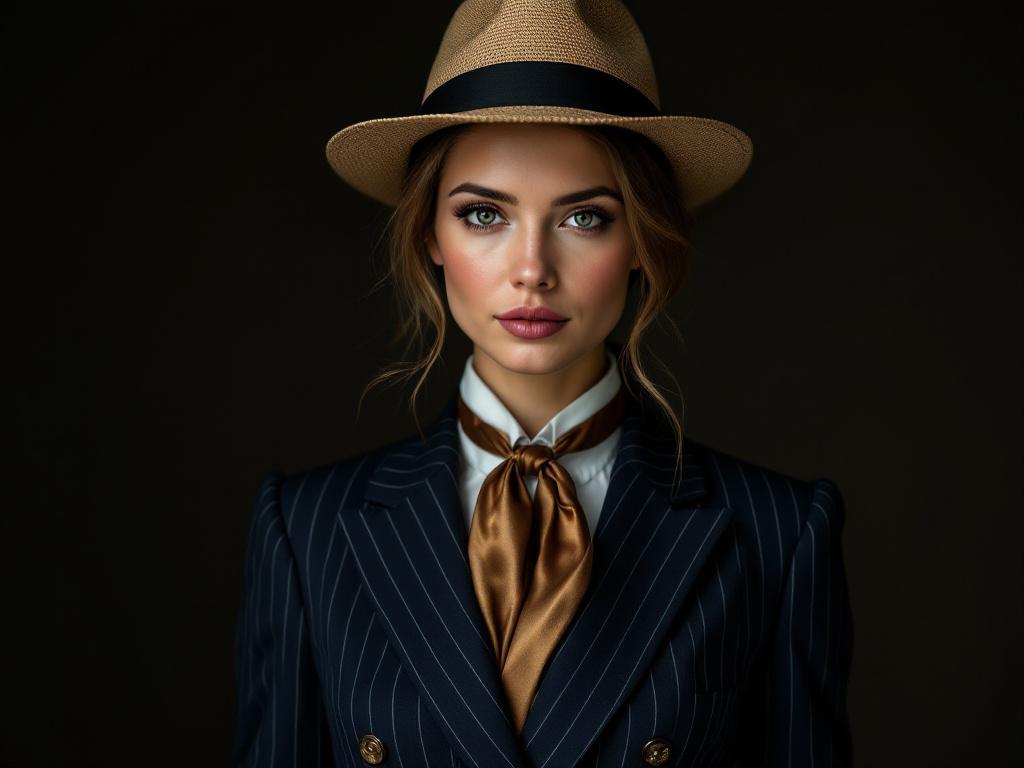
Unisex Fashion: Gender Doesn’t Define What You Wear Is for Everyone
Clothing is for everyone, regardless of gender or skin color. Unisex fashion has shaped the idea of clothing for all, yet many are unaware of its fascinating history. From its origins to the present day, unisex fashion has had a profound impact on society, serving as a powerful tool to blur sexual identity through style.
Buckle up and dive into the history of unisex fashion.
he Beginnings: World War II
During World War II, as women stepped into jobs traditionally held by men, they embraced a new sense of empowerment. This shift in roles led them to incorporate elements of men’s clothing into their own style—think trousers, structured jackets, and practical workwear. These choices weren’t just about necessity; they became a bold statement of independence, challenging traditional gender norms and paving the way for the unisex fashion movement.
Breakthrough: The 1960s
In the 1960s, an extraordinary shift redefined conventional notions of age, gender, and class. This experimental era encouraged designers to push boundaries, and the idea of unisex fashion gained momentum. Unisex clothing symbolized liberation from gender roles—it was more than just a trend; it was a vision of the future, rejecting traditional hierarchies and outdated norms. It became a driving force in fashion, challenging and transforming the old order with bold, progressive energy.
The 1970s: Social Transformation
After the women’s liberation movement in the 1970s, pants were worn by both genders. Unisex fashion explores themes such as androgyny, mass-market retail, and conceptual clothing.
Unisex Fashion in the Present Day
Today, unisex fashion is normalized and even embraced by luxury brands like Gucci and Versace. Celebrities such as Harry Styles, Cara Delevingne, and Demi Lovato wear unisex fashion as a statement against traditional gender roles.
Following the LGBTQ+ movement, clothing is no longer designed exclusively for one gender. Men can wear dresses, just as women can wear pants and shirts. A notable example: At the Louis Vuitton fashion show in 2016, Jaden Smith wore outfits that challenged conventional gender norms.

If you love unisex clothing, you can easily incorporate it into your everyday style:
- T-Shirts: A simple geometric tee or a cool graphic shirt pairs perfectly with cargo pants, jeans, or sweatpants.
- Pants: Comfortable, loose-fitting pants look great with a relaxed sweater—for all genders!
- Shirts: Whether cute or minimalist, shirts work for everyone. Style them with jeans or accessorize with ribbons.
- Sweaters or Cardigans: Cozy and versatile, they go with pants, jeans, or joggers.
- Blazers: Whether oversized or fitted, blazers suit everyone. Gucci even introduced unisex blazers that women can wear as dress blazers with a belt.
Why Unisex Fashion Is Becoming the Norm
- Societal Acceptance: Society is becoming more open and diverse. Traditional gender roles are increasingly being questioned, with individuality taking center stage. Unisex fashion fits perfectly into this shift because it promotes freedom and self-expression without limits.
- Influence of the Younger Generation: Young people, especially Gen Z and Gen Alpha, often view fashion as gender-neutral. For them, it’s natural to choose clothing based on style and comfort, not gender. This mindset will continue to shape the fashion industry in the long term.
- Sustainability and Practicality: Unisex clothing is often timeless, versatile, and durable. In a world increasingly focused on sustainability, fashion that can be worn by everyone is becoming more appealing—both for consumers and brands.
- Celebrities and Brands as Role Models: Stars like Harry Styles, Tilda Swinton, and Ezra Miller demonstrate how unisex fashion can be worn with confidence and style. Meanwhile, luxury brands like Gucci, Prada, and Balenciaga regularly release unisex collections, further normalizing the trend.
- Political and Social Movements: The LGBTQ+ community and feminist movements have played a significant role in shifting the perception of fashion as an expression of identity rather than gender. This transformation will continue to evolve.
Challenges – But Also Opportunities
Of course, there are still hurdles: some people cling to traditional gender roles, and not all brands have fully integrated unisex fashion into their product range. But the trend is clear: unisex fashion is not a trend, but a movement.
How unisex and classic fashion merge
Examples from practice
- Streetwear labels (e.g., Supreme, A-Cold-Wall) have been designing clothing for years that is simply made for everyone—without much discussion.
- Brands like Zara, H&M, and Arket already offer collections that are deliberately called “genderless” or “shared”—while still maintaining classic women’s and men’s lines.
- Luxury brands like Gucci often showcase looks in their shows that anyone can adopt, regardless of gender.
Society will decide what the future holds.
Unisex fashion becomes more normal the more we move away from rigid gender roles.
- Children and teenagers today grow up with a more natural attitude towards fashion. For them, it’s often irrelevant whether a garment is “for boys” or “for girls”—the main thing is that they like it.
- Schools, media, and brands play a major role: When children see from an early age that clothing has no rules, unisex fashion becomes the norm.
- Skirts in men’s fashion, for example, could soon be as commonplace as trousers in women’s fashion—simply because the association between “male” and “female” is fading.