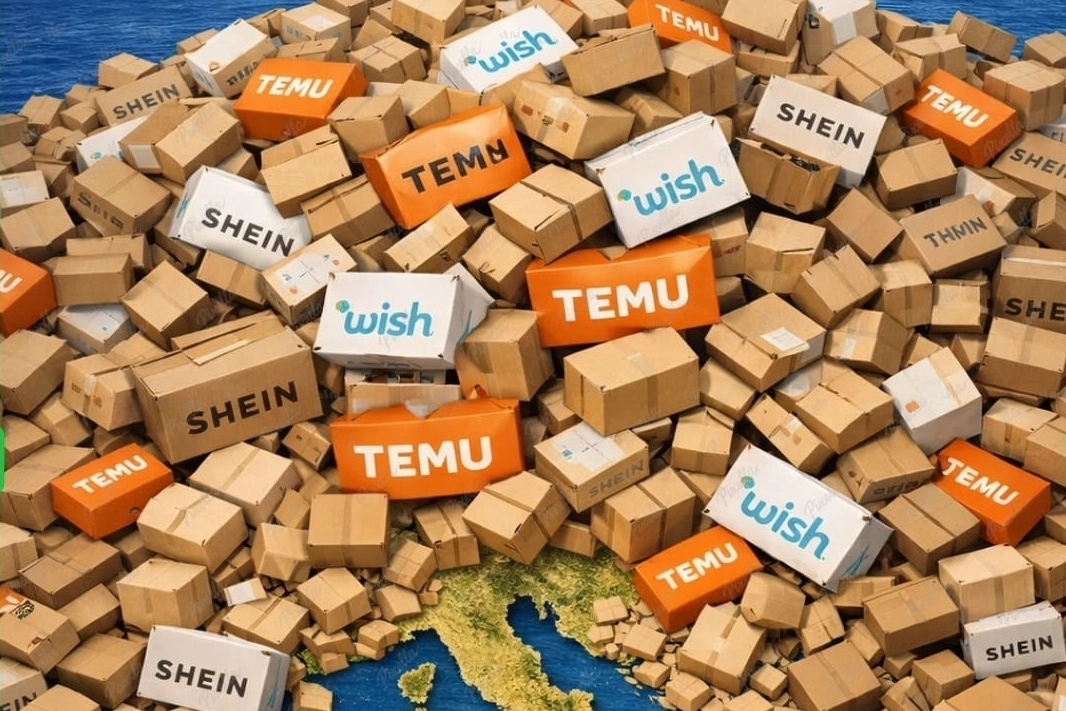
Ultra fast fashion—wear it once and throw it away—that’s the business model of low-cost retailers from the Far East. Our mountains of waste are growing, and textile recyclers can no longer keep up with the sheer volume. A large portion of these items is non-recyclable and ends up being incinerated for energy recovery.
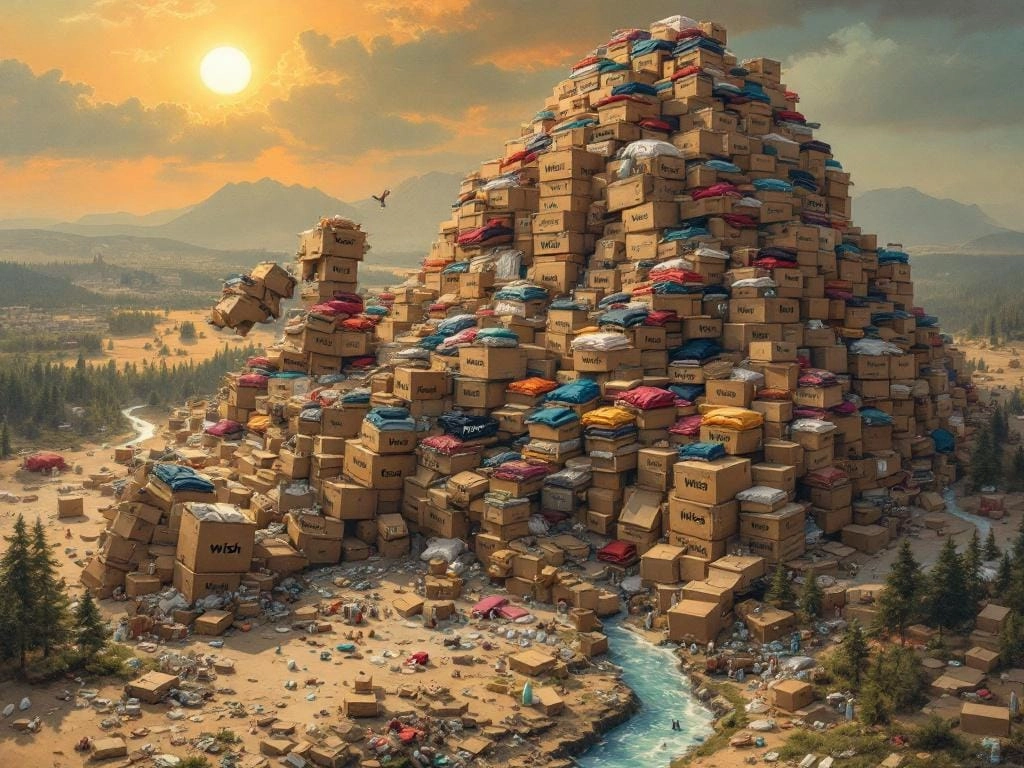
Why Do People Shop at Shein, Temu, Wish, and Other Budget Retailers?
Extremely Low Prices: For many consumers, the financial incentive is decisive—especially during times of high inflation.
Fast, Trendy Inventory: These platforms use algorithms to offer the latest fashion trends or niche products in real time, making them ideal for impulse buyers.
Psychological Tricks: Countdowns, “Only 3 items left!” alerts, and personalized discount codes create artificial urgency and encourage spontaneous purchases.
The Downside: Risks and Criticisms
1. Quality & Safety
- Health Risks: Tests by consumer protection organizations have documented harmful substances like lead, phthalates, or toxic dyes in clothing, toys, and electronics.
- Poor Quality: Delivered goods often don’t match product images—defects, wrong sizes, and cheap materials are common.
- Safety Issues: Fake CE markings or fire hazards (e.g., in electronics) are particularly problematic.
2. Environment & Ethics
- Ultra-Fast Fashion: The “wear once, then discard” mentality worsens the waste crisis. Textile recycling facilities are overwhelmed, and many items end up incinerated.
- Labor Standards: Working conditions in production countries (e.g., China) are often precarious—wages below subsistence levels, overtime, and lack of workplace safety.
3. Consumer Protection
- Complicated Returns: Complaint processes are intentionally opaque, and returns are expensive or impossible (e.g., due to customs issues).
- Data Privacy: Apps like Temu collect massive amounts of user data—often without clear consent.
What Does Google AI Overview Say (as of February 2026)?
- Shein: Harmful substances, lack of EU compliance, manipulative practices.
- Wish: Quality lottery, long delivery times, poor service.
- Temu: Safety risks, fake certificates, data privacy concerns.
Alternatives?
- Secondhand Platforms: Vinted or Kleiderkreisel reduce waste and costs.
- Local/Sustainable Brands: Often more expensive but longer-lasting and ethically produced.
- Mindful Consumption: Asking, “Do I really need this?” or “How often will I wear it?” helps avoid impulse buys.
Impact on the Domestic Textile Industry
The rise of budget retailers like Shein, Temu, and Wish has profound and multifaceted effects on the domestic textile industry, especially in Germany and Europe:
1. Economic Consequences
- Loss of Revenue and Market Share: Local manufacturers face intense price pressure, often unable to compete with Asian mass production.
- Job Losses: Thousands of jobs in the European textile industry have been cut since the 2010s, particularly in small and medium-sized enterprises.
- Shift in Demand: Younger, price-sensitive consumers increasingly shop with budget retailers, even if they are aware of the risks.
2. Labor Market and Social Impact
- Job Losses in Textile Regions: Areas like the Euregio Maas-Rhein (Germany/Netherlands/Belgium) or Ostwestfalen (NRW) have lost textile jobs for decades.
- Brain Drain: Skilled workers leave the industry, perceiving it as “not future-proof.”
- Unfair Competition: European manufacturers must comply with minimum wages, social contributions, and environmental regulations, while budget retailers often operate under precarious conditions.
3. Environmental and Sustainability Impact
- Carbon Footprint: Shipping cheap goods from China generates massive CO₂ emissions (maritime and air freight).
- Waste: The “disposable” mentality of ultra-fast fashion leads to more textile waste, while local manufacturers focus on durability and repairability.
- Regulatory Disadvantages: European manufacturers face strict environmental rules (e.g., REACH), while budget imports often bypass these through fake certificates.
4. Political and Legal Responses
- EU Protective Measures: Stricter import rules (e.g., Digital Product Passport from 2026) and subsidies for sustainable fashion (e.g., European Green Deal).
- Local Initiatives: “Made in Germany” labels and collaborations with design schools to promote innovation.
5. Long-Term Perspectives
- Niche Markets: Sustainable fashion and customization offer opportunities for local manufacturers.
- Digitalization: E-commerce and direct-to-consumer models (e.g., Closed, Hugo Boss) can boost competitiveness.
Conclusion
The domestic textile industry is at a crossroads:
- Short-term: It is losing market share and jobs to budget retailers.
- Medium-term: It could reinvent itself as a premium and sustainability-focused provider—if policymakers, consumers, and businesses collaborate.